
Guide
What subsidies are availablefor solar installations?
In short
- The federal government pays a one-off subsidy, for example CHF 5’400 for 15 kWp.
- Depending on the municipality, there are further grants.
- For electricity fed into the grid, you receive payment from your electricity utility.

Federal subsidy
The one-off subsidy
from the federal government.
The federal government supports every new solar installation from 2 kilowatts of output with a one-off contribution. The larger the installation, the higher the amount.
Rule of thumb 2026
Output in kWp × CHF 360
For roof installations from 5 to 30 kilowatts.
What the federal government pays
- 10 kWp
- around CHF 3’600
- 15 kWp
- around CHF 5’400
- 20 kWp
- around CHF 7’200
- 25 kWp
- around CHF 9’000
Guide values for roof installations, as of 2026.
Good to know
-
Paid out via Pronovo
The one-off subsidy is paid out after the installation has been commissioned.
-
Applies to new solar installations
The subsidy applies to installations from 2 kilowatts of output.
-
The solar company submits the application
As a rule, you do not have to do anything.
Canton and municipality
Subsidies in Zurich
and Thurgau.
Depending on where you live, further grants are added to the one-off federal subsidy. They differ from municipality to municipality.
-

Canton of Zurich
- Individual municipalities pay their own grants for solar installations.
- For roof installations, the notification procedure is usually sufficient.
-

Canton of Thurgau
- The canton runs its own energy subsidy programme.
- Installations up to 35 m² in the building zone do not need to be notified.
All programmes where you live
On energiefranken.ch you can find the subsidy programmes by postcode. We go through them with you in the consultation.
Tax
Saving tax
with a solar installation.
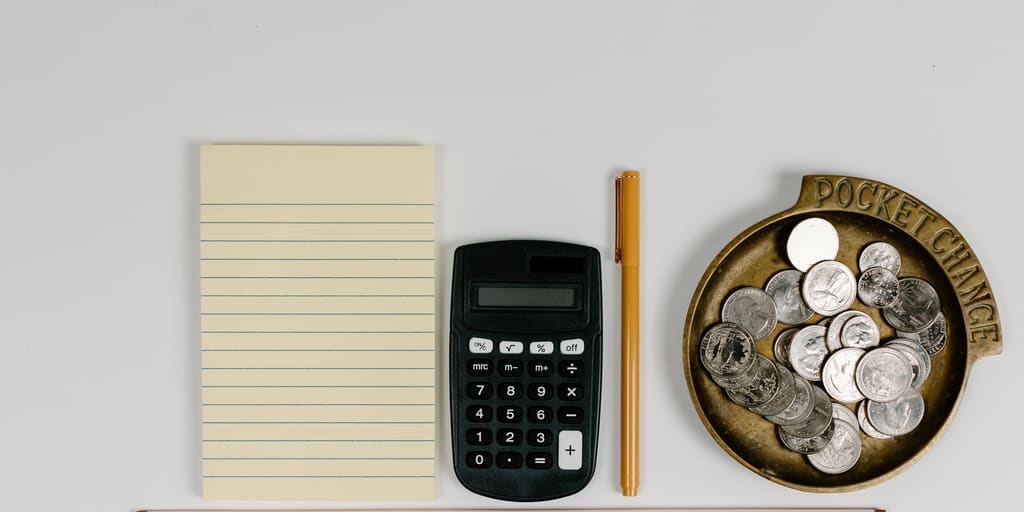
Besides the subsidies, a solar installation can also save you tax. How much differs from canton to canton.
-
Installation costs
Costs of the solar installation
-
Tax deduction
Deduct from taxable income
-
Less tax
How much you save differs from canton to canton
- For existing houses, the costs of the solar installation can usually be deducted from taxable income.
- How much you save depends on the canton, the municipality and your income.
- The one-off federal subsidy is taken into account for tax purposes.
Have it calculated
The tax rules for real estate can change. Your tax adviser or the tax office can tell you what applies to your year.
Feed-in
Remuneration for electricity
fed into the grid.
Electricity you do not use yourself flows into the grid. Your electricity utility must take it and pay for it.
- Generating solar power
- Using it yourself
- Feeding surplus into the grid
Minimum remuneration 2026
around CHF 0.06 per kilowatt hour
For installations under 30 kilowatts.
How the remuneration works
These three factors determine how much you receive for the solar power you feed in.
Feed-in remuneration
For surplus solar power you feed into the grid, you receive money.
Minimum remuneration
A statutory minimum remuneration protects small installations from particularly low payments.
Market price
The remuneration is based on the market price for electricity and is set quarterly.
How you benefit in addition
These three aspects help you get the most financial benefit from your solar installation.
Your electricity utility
It can pay more than the minimum. Tariffs differ from utility to utility.
Self-consumption
Electricity you use yourself is worth more than electricity fed in, because you do not have to buy it.
Selling electricity to neighbours (ZEV)
In a self-consumption community (ZEV) you can share solar power with other households and receive a remuneration for it.
In a local electricity community (LEG), you can also sell solar power within your neighbourhood. This often pays more than the remuneration from the electricity utility.
Process
How to get
the subsidy.
You do not apply for the one-off subsidy before construction, but afterwards. The solar company takes care of most of the steps.
Have the solar installation built
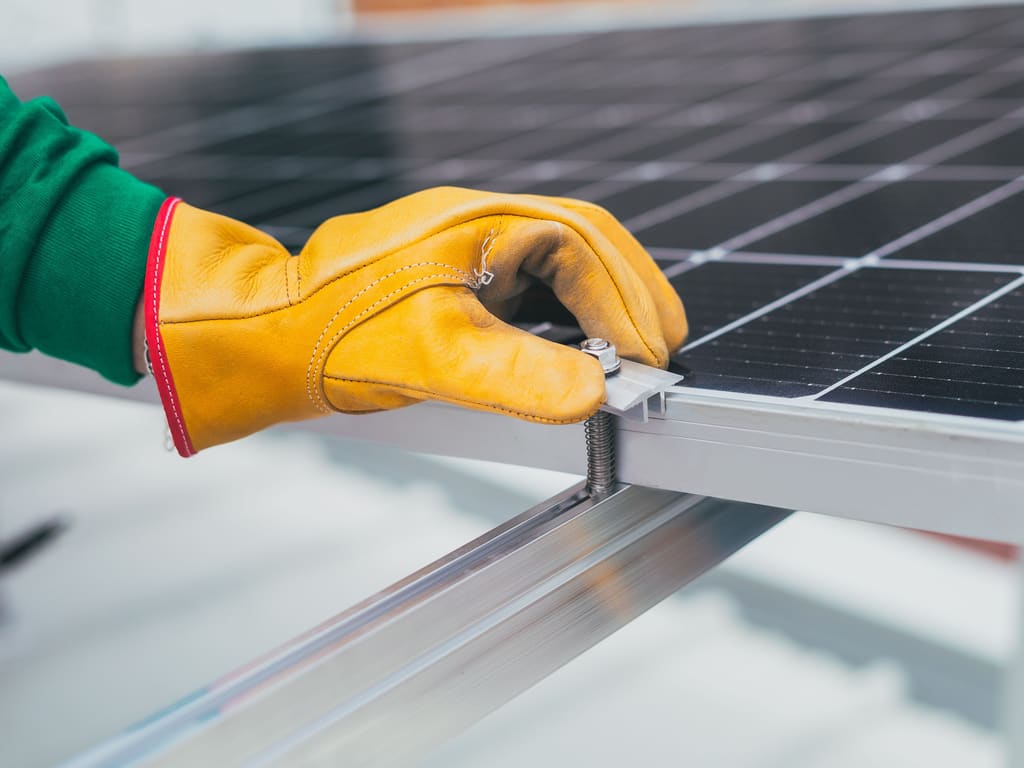
The solar company registers the installation with the municipality and the electricity utility and installs it.
Commission the installation
After commissioning, the installation data is certified.
Submit the application to Pronovo
The application is made online in the Pronovo customer portal, usually by the solar company.
Receive the subsidy
Pronovo checks the application and pays the one-off subsidy directly to you.
Frequently asked questions
Questions about subsidies
for solar installations.
How high is the one-off subsidy?
For roof installations of 5 to 30 kilowatts, around CHF 360 per kilowatt peak. For 15 kWp, that is CHF 5’400.
Who pays out the one-off subsidy?
Pronovo checks the application and pays the one-off subsidy directly to you.
What is the difference between the one-off subsidy and the feed-in remuneration?
The federal government pays the one-off subsidy once after construction, as a contribution to your investment. The feed-in remuneration is paid by your electricity utility on an ongoing basis for every kilowatt hour you feed into the grid. For installations below 30 kilowatts, this has been at least 6 centimes per kilowatt hour since 2026.
Are there also subsidies for battery storage?
Not from the federal government: the one-off subsidy only covers the solar installation. The Canton of Thurgau, for example, pays CHF 1’000 for storage from 10 kWh, but the commitments for 2026 have been used up. energiefranken.ch shows what applies where you live.
Do I get a subsidy if I extend my installation?
Yes, if the extension increases the output by at least 2 kilowatts. Only the additional output is subsidised, with CHF 360 per kilowatt for non-integrated installations below 30 kilowatts. The application goes to Pronovo after commissioning.
Get started
Which subsidy applies
to your house?
In the consultation, we work it out with you, together with 3 quotes.